3rd Grade Spelling Bee Words: The Ultimate Practice List
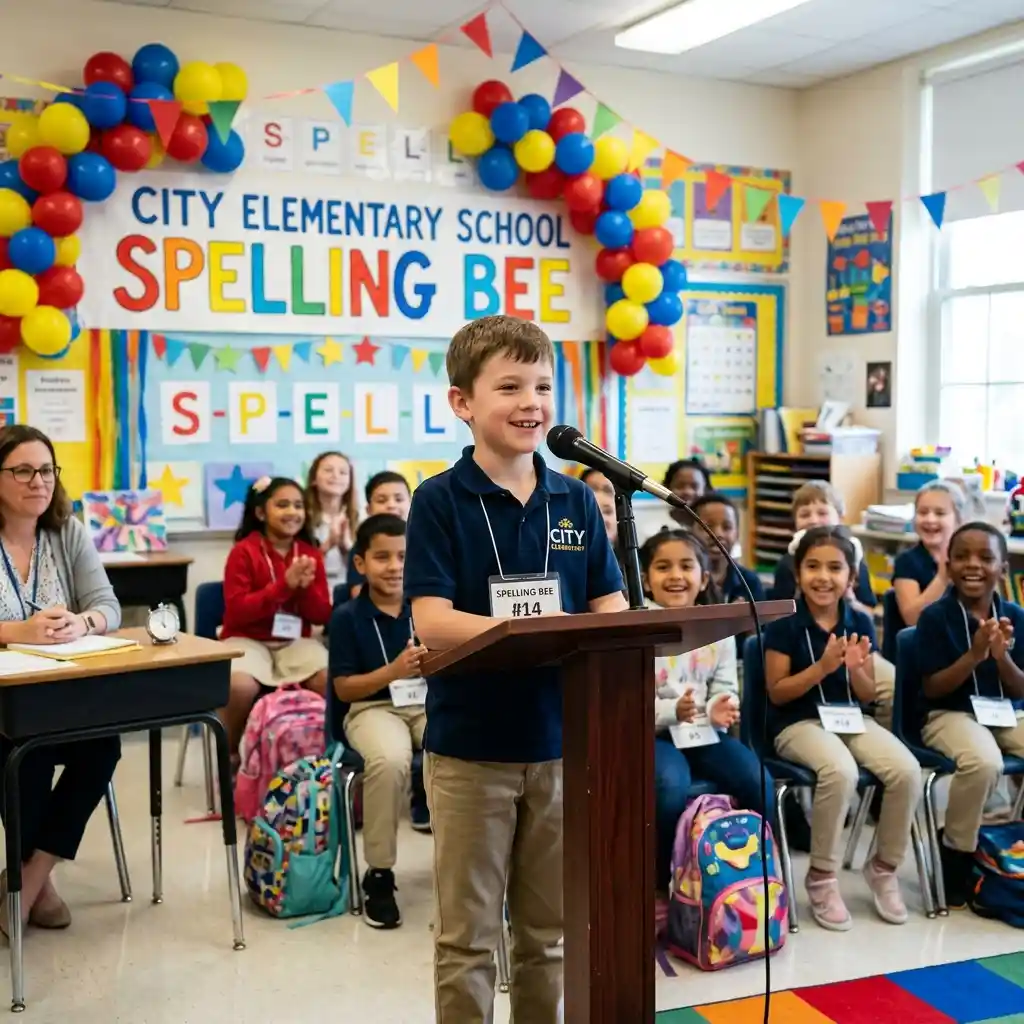
Spelling bees are incredibly stressful for kids. Your child stands at a podium shaking. The judges stare directly at them. One wrong letter and they are completely out.
But winning is not about being naturally smart. It is all about practice and preparation. The right list of 3rd grade spelling bee words makes all the difference. This guide gives you 100 real competition words organized by pattern.
Master your daily puzzles and improve your vocabulary by visiting the main Spelling Bee Answers hub.
The Complete List of 3rd Grade Spelling Bee Words
The absolute biggest mistake parents make is just handing their kid a massive, unorganized list of 200 random words. That is totally overwhelming. The kid stares at it, feels completely defeated, and gives up before they even start.
Instead, you have to organize the 3rd grade spelling bee words by spelling pattern. When kids learn that certain groups of letters always follow the same weird rules, they stop memorizing individual words and start understanding how the entire English language actually works. That is the real secret.
Vowel Patterns (ie, ei, ea)
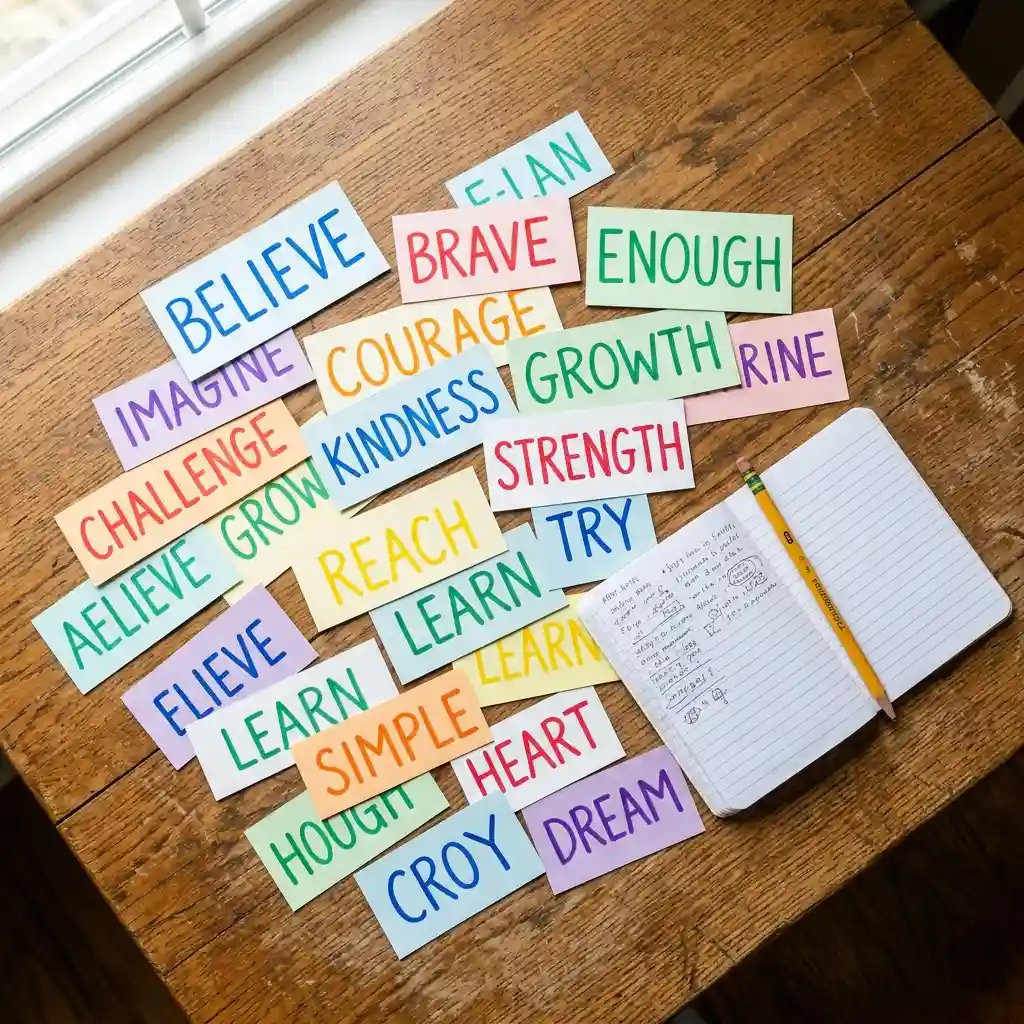
These are the absolute worst words for third graders. The “i before e” rule sounds simple until you realize it has about fifty exceptions that completely break the rule.
- ceiling
- believe
- field
- brief
- chief
- niece
- achieve
- shield
- receive
- receive
- grief
- thief
- piece
- relieve
- heat
- meal
- bean
- leaf
- teach
- reach
- feast
The word “receive” destroys kids every single time. They always want to write “recieve” because the “i before e” rule is stuck in their brain. But remember the old trick: “I before E, except after C.” That one rule alone saves them from getting knocked out in round one.
Stuck on today’s puzzle? Get the gentle push you need with our daily updated NYT spelling bee hints today.
Magic-E and Long Vowels
These words feel easy. But that is exactly why they are so dangerous. Kids get overconfident, rush through them, and accidentally drop a letter.
- make
- smile
- brave
- stone
- drove
- game
- cube
- stripe
- throne
- whale
- broke
- flame
- globe
- escape
- polite
- supreme
- costume
- compute
- concrete
- extreme
The sneaky trap here is “throne.” Kids always confuse it with “thrown.” They sound exactly the same but they are completely different words. If the judge uses it in a sentence, your kid absolutely must listen carefully before they start spelling.
Consonant Blends and Clusters
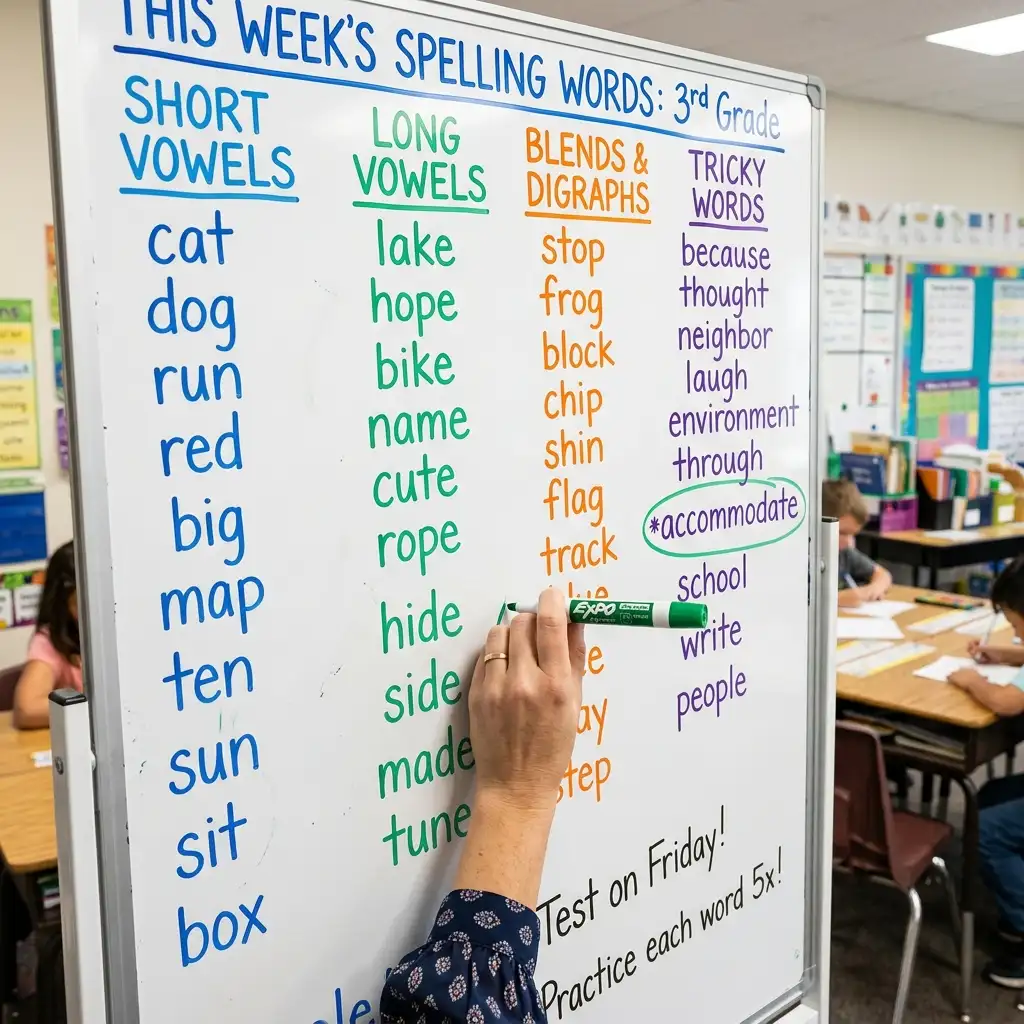
These words jam multiple consonant sounds right next to each other. It forces the kid to slow down and carefully pronounce every single sound.
- strong
- spring
- stretch
- string
- shrimp
- splash
- sprint
- street
- straight
- strength
- through
- throat
- throne
- shrink
- strange
- struck
- stream
- spread
- strap
The word “straight” is an absolute nightmare. Eight letters. Only six sounds. That silent “gh” in the middle completely throws kids off. If your child can confidently spell “straight” without hesitating, they are already ahead of 90% of the competition.
High-Frequency Sight Words
These are the sneaky words that look incredibly simple but are actually spelled nothing like they sound. Kids see these words everywhere in books, but when they have to spell them out loud without looking, their brain completely freezes.
- enough
- though
- thought
- through
- brought
- caught
- daughter
- weight
- neighbor
- height
- island
- answer
- listen
- castle
- whistle
- know
- write
- wrong
- knuckle
- kneel
The word “island” is pure evil. There is a completely silent “S” hiding right in the middle of it. No kid in the history of spelling bees has ever naturally expected that silent S to be there. You just have to drill it into their brain through pure repetition. Expand your middle-length vocabulary and score more points by studying common 5-letter spelling bee words.
Suffixes and Word Families (-ful, -ed, -ing, -er)
Once your kid understands how suffixes work, they can basically decode hundreds of new words without ever studying them individually. This is the absolute best shortcut in the entire spelling game.
- beautiful
- cheerful
- thankful
- wonderful
- powerful
- colorful
- graceful
- peaceful
- hopeful
- playful
- jumped
- searched
- watched
- wished
- crashed
- running
- swimming
- beginning
- winner
- dinner
The word “beautiful” is the ultimate boss fight for third graders. B-E-A-U-T-I-F-U-L. That “eau” combination in the middle makes absolutely no logical sense to an 8-year-old brain. Teach them the old movie trick: “B-E-A-UTIFUL.” Break it into silly chunks and they will never forget it.

How to Actually S tudy These Words
Having the list is only half the battle. If your kid just silently reads the words over and over, they are wasting their time. The brain does not learn spelling through reading. It learns through writing and speaking.
Here is the exact study method that actually works:
- Say It Out Loud: Have your kid say the word, then spell it out loud letter by letter, then say the word again. Word-Spell-Word. This forces the brain to connect the sound to the actual letters.
- Write It Three Times: After spelling it out loud, the kid writes the word three times on paper. The physical act of writing burns the letter order into their muscle memory.
- Use It in a Sentence: Ask the kid to use the word in a silly sentence. “The thief stole my beautiful sandwich.” The sillier the sentence, the more likely they are to actually remember the word.
- Test Them Cold: Wait twenty minutes. Then randomly quiz them on five words from the list without any warning. If they can spell them cold with no preparation, the word is locked in. If they stumble, circle it and drill it again tomorrow.
Ready to tackle longer strings? Browse our curated list of spelling bee 6-letter words to find those elusive pangrams.
The Massive Secret Trick
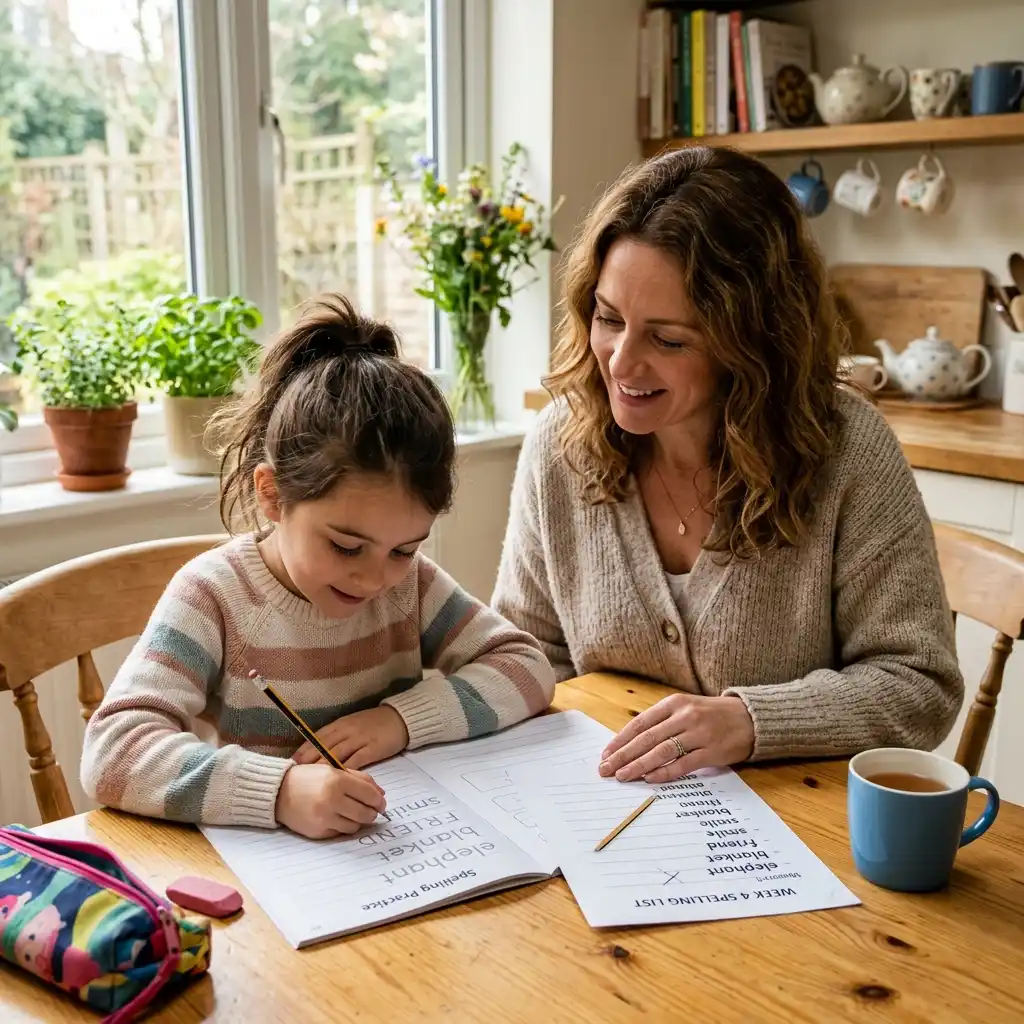
Do not try to study all 100 words at once. That is insane. Break the list into tiny groups of just 10 words per night. Study Monday’s group on Monday. Tuesday’s group on Tuesday. On Friday, do a massive review quiz of all 50 words from the entire week. By the end of two weeks, your kid will have every single word completely memorized.
Track your daily puzzle progress and see if you have hit every starting letter combination with our guide to Spelling Bee Bingo.
Frequently Asked Questions
How many words should a 3rd grader practice for a spelling bee?
For a basic classroom-level competition, studying 50 to 100 3rd grade spelling bee words is absolutely more than enough. Most school-level bees only go about 10 to 15 rounds deep. If your kid can confidently spell 100 words, they are massively overprepared and that extra confidence alone will help them win.
What is the hardest word for 3rd graders to spell?
Based on years of actual competition data, the word “beautiful” is the single most commonly misspelled word at the third-grade level. That bizarre “eau” vowel combination in the middle has eliminated more kids than any other word in spelling bee history.
How long should my kid study each night?
Keep it incredibly short. Fifteen to twenty minutes maximum. If you push a third grader past twenty minutes, their brain completely shuts down and they stop absorbing anything. Short, intense, focused study sessions beat long, boring, drawn-out ones every single time.
Should my kid ask for a definition during the competition?
Absolutely yes! Every spelling bee in the country allows the contestant to ask for the word’s definition, the language of origin, and to hear it used in a sentence. Smart kids always ask for the sentence because it completely eliminates confusion between words that sound identical but are spelled differently, like “throne” and “thrown.”
Can my kid practice these words online?
Yes! There are tons of free websites and apps that will read the words out loud and let your kid type the spelling. But honestly, nothing beats the old-fashioned method of a parent reading the word and the kid writing it down on paper. The physical handwriting is what really locks it into the brain.
When you find every word, a massive pop-up appears on your screen. It calls you the “Queen Bee.” If you have not seen that pop-up, you are still missing a word. Go check your two-letter list again!
Break down the grid effectively using the official Spelling Bee 2-letter hints to discover how many words start with each letter pair.
Conclusion
At the end of the day, winning a spelling bee is not about being the smartest kid in the room. It is about being the most prepared kid in the room. And preparation just means sitting down every single night, grabbing a pencil, and drilling through the list one word at a time.
These 100 3rd grade spelling bee words cover every single tricky pattern that actually shows up at real competitions. The sneaky vowel pairs. The silent letters. The confusing suffixes. If your kid can confidently spell every word on this list without hesitating, they are going to absolutely crush it on competition day.
So print the list out. Tape it to the fridge. Grab a pencil and a notebook. And start practicing tonight. Your kid’s golden trophy is waiting!