2nd Grade Spelling Bee Words: A Complete Practice Guide
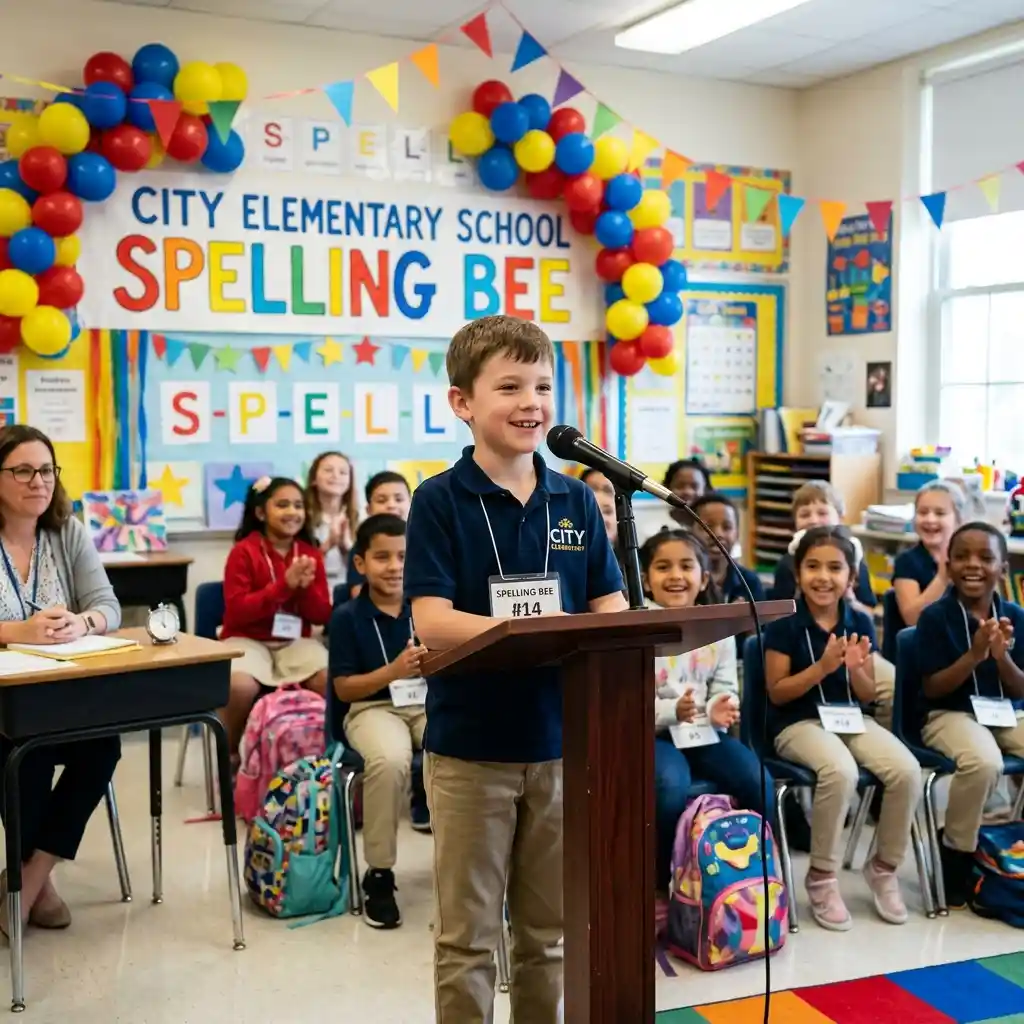
Spelling bees are a fun and effective way for second graders to build vocabulary, boost confidence, and sharpen their spelling skills. Whether your child is preparing for a classroom competition or just wants to strengthen their spelling foundation, having the right word list and practice strategy makes all the difference.
This guide covers everything parents and teachers need to know about 2nd grade spelling bee words, along with how tools like Spelling Bee Answers can support at-home practice.
What Makes a Good 2nd Grade Spelling Bee Word List?
At this age, spelling bee words should be challenging enough to encourage growth but still age-appropriate. Good word lists typically include:
- Common sight words with tricky spelling patterns
- Words with common vowel teams (ai, ea, oa, ee)
- Simple compound words
- Words with silent letters
- Basic multi-syllable words
Examples of 2nd Grade Spelling Bee Words
Some commonly used words at this level include:
- Because
- Friend
- People
- Should
- Beautiful (for advanced students)
- Purple
- Animal
- Family
- Enough
- Special
Build a strong foundation for any competition by reviewing our master list of common Spelling Bee words.
How to Help Your Child Practice Effectively
Break Words into Syllables
Encouraging kids to say words slowly, syllable by syllable, helps them hear each sound and connect it to the correct letters, which is especially useful for longer or trickier words.
Use Repetition and Review
Practicing a small batch of words daily, rather than cramming a large list all at once, helps improve long-term retention and builds confidence heading into competition day.
Turn Practice Into a Game
Simple games like spelling relay races, flashcard quizzes, or “spell it and use it in a sentence” challenges can make practice feel less like a chore and more like fun.
Discover how this beloved academic competition evolved over the decades in our deep dive into the history of the Spelling Bee.
Common Spelling Patterns to Focus On
Vowel Teams
Words like “team,” “boat,” and “rain” follow predictable vowel team patterns that are worth reinforcing early, since they show up frequently in second-grade vocabulary.
Silent Letters
Words such as “know,” “write,” and “gnome” introduce the concept of silent letters, which can be tricky but become easier to remember with repeated exposure.
Compound Words
Simple compound words like “sunshine,” “backpack,” and “birthday” help students understand how smaller words combine to form new ones, reinforcing both spelling and vocabulary skills.
Stuck on today’s puzzle? Get the exact words you need to reach Genius level with our daily Spelling Bee Solver NYT.
Using Online Resources to Support Practice
Why Word Lists and Answer Checks Matter
Having access to a reliable word list, along with a way to double-check spelling, helps both parents and students stay confident during practice sessions, especially when reviewing unfamiliar or tricky words.
How spellingbee-answers.com Can Help
A resource like spellingbee-answers.com can be a helpful reference for finding grade-appropriate word lists and checking spellings during practice, making it easier for parents and teachers to prepare students without needing to track down multiple sources.
Learn the strategies and patterns top players use to find pangrams quickly in our guide on how to solve the NYT Spelling Bee.
Final Thoughts
Preparing for a 2nd grade spelling bee doesn’t have to be stressful. With a solid word list, consistent practice, and a little help from resources like spellingbee-answers.com, students can build strong spelling skills while having fun along the way. Small, steady practice sessions go a long way in building both competence and confidence for the big day.
Look up past puzzles, missed words, and historical pangrams by browsing the complete NYT Spelling Bee archive.