Spelling Bee Bingo: How to Play, Best Word Lists & Setup Guide
Let’s be totally honest. Memorizing spelling lists is truly awful. Kids just stare at walls. They completely zone out. Boring flashcards do not work. No one learns anything at all. We need a real fix.
Spelling Bee Bingo changes everything. It is a perfect game. You can trick kids easily. They learn while having fun. The competition gets very intense. Students actually want to win. Try it out today.
Incorporating this Bingo variation into your daily routine is a great way to practice before checking the official Spelling Bee answers.
Why Pattern Recognition Is Your Biggest Weapon
When you are playing this game, you are not just testing pure memorization. You are actually teaching the kids incredibly valuable pattern recognition skills.
In English, certain prefixes and suffixes always follow the same weird rules. For example, the suffix “-tion” usually sounds exactly like “-shun.” When a kid hears a definition and knows the word ends with that specific sound, their brain instantly starts scanning their bingo card for words ending in T-I-O-N.
They aren’t just blindly looking for random letters anymore. They are actively decoding the English language in real-time, all because they desperately want to win a cheap piece of candy!
What Exactly is Spelling Bee Bingo?
Before we start printing out massive stacks of game boards, we need to talk about what makes this specific version so incredibly different from the normal game.
In a standard, boring game of regular bingo, the caller just yells out random letters and numbers like “B-14!” or “N-32!”. You just mindlessly look for the number, slap a plastic chip on it, and wait for the next boring number.
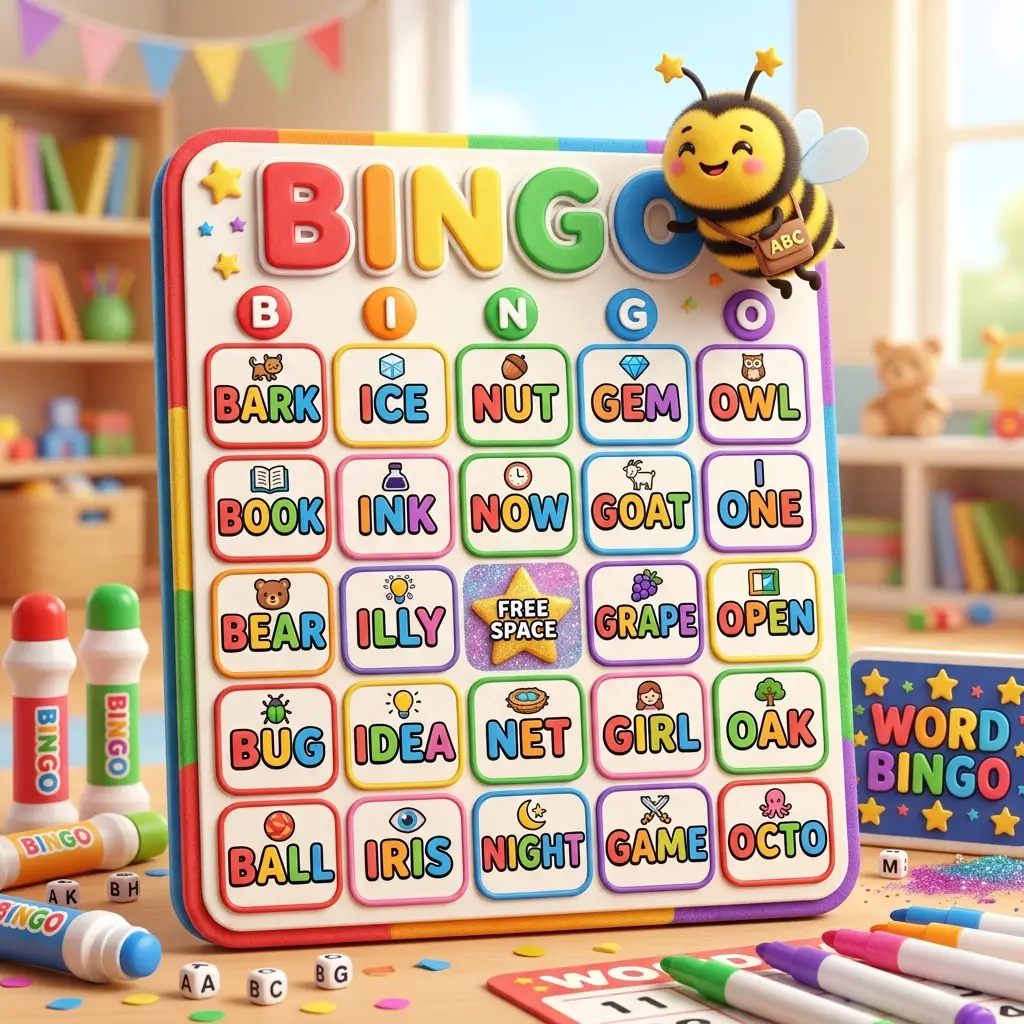
Spelling Bee Bingo totally throws the numbers in the garbage. Instead, every single square on the bingo card is filled with a different spelling word. The caller (usually the teacher) does not just read the word out loud. They either read the exact dictionary definition of the word, or they read a sentence with the word completely blanked out. The students have to mentally figure out what the word is, figure out how to actually spell it, and then desperately search their card to see if they have it!
If your group gets stuck validating a term on their Bingo card, use our Spelling Bee solver NYT as the official game referee.
How to Set Up the Perfect Bingo Game
Setting this up requires a little bit of serious preparation. You cannot just walk into the classroom on a Friday afternoon and wing it. If the cards are not properly randomized, you will have ten kids all yelling “BINGO” at the same time, which is a total nightmare.
Here is the exact step-by-step strategy to run a flawless game:
Step 1. Pick the right vocabulary words first
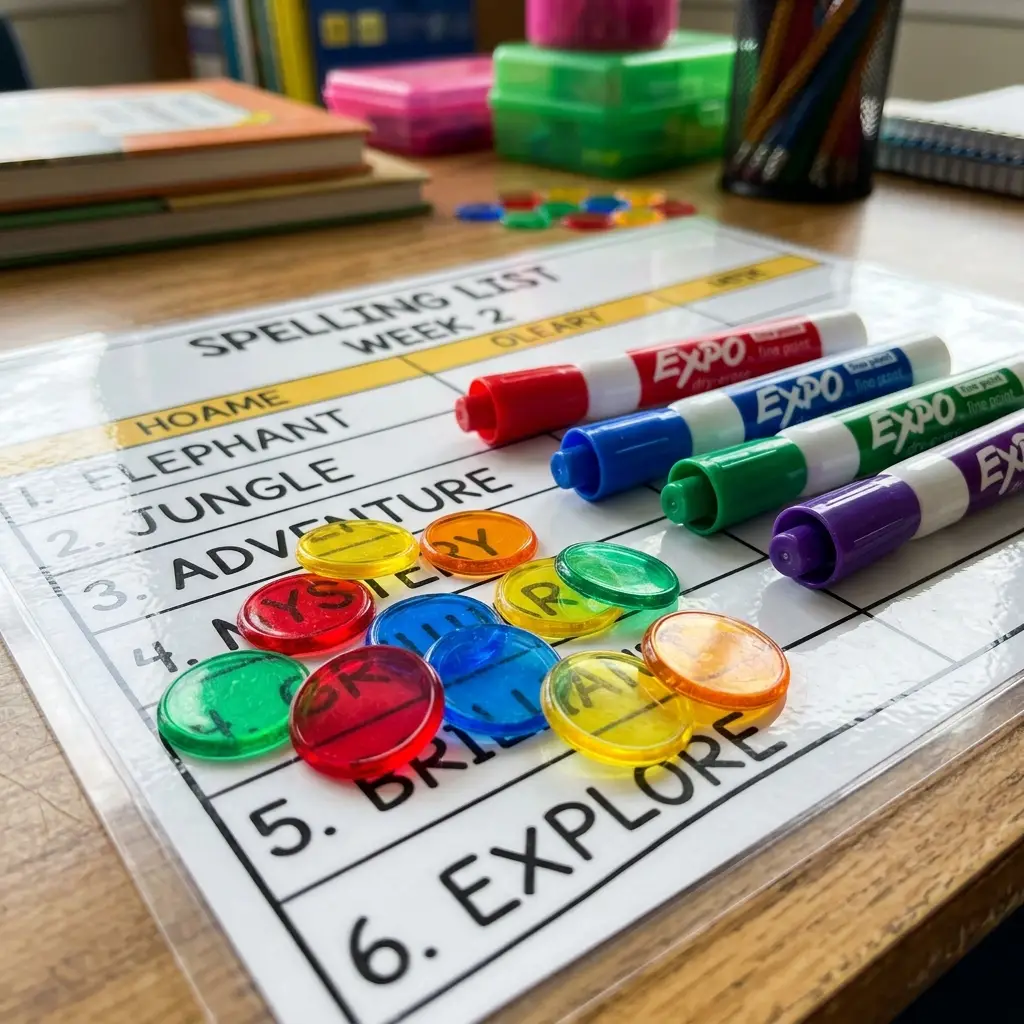
You need a master list of at least 40 to 50 words. If you only use 25 words (the exact number of squares on a card), every single kid will have the same words on their paper. You need a massive pool of words so every single card is unique.
Step 2. Create randomized bingo cards
Do not try to write these out by hand. You will literally go completely insane. There are hundreds of free online bingo card generators on the internet. You just copy and paste your massive 50-word list into the website, and it will instantly spit out thirty completely different, randomized PDF game boards.
Step 3. Call out the words or definitions
When you are calling the clues, you have to mix them up to keep them on their toes. For the first few rounds, just read the dictionary definition. For the later rounds, use the “fill in the blank” method. For example: “The massive dog tried to ___ the tiny cat.” The answer on their board would be “intimidate.”
Step 4. Use fun markers to cover the board
Do not let them use normal pens or pencils to cross out the words! If they use a pen, the card is permanently ruined, and you have to print hundreds of new ones every single week. Instead, laminate the cards! You can give them bright, colorful plastic chips or let them use wildly colored dry-erase markers so they can easily wipe the board totally clean when the round is over.
Step 5. Give out awesome prizes
The absolute best part of the game is the reward. You do not need to spend massive amounts of real money. Middle school kids will literally fight to the death over a shiny gold star sticker or a simple piece of hard candy. Keep a cheap plastic treasure chest on your desk and let the winners pick their own prize.
The strategic thinking required to win this multiplayer game is very similar to the methods taught in our guide on how to solve the NYT Spelling Bee.
The Best Word Lists for Spelling Bee Bingo
So, what words should you actually use? This is where many teachers make a massive mistake.
If you just use incredibly easy words like “cat” or “house,” the game will literally end in three minutes. If you use incredibly impossible words like “chrysanthemum,” the kids will get completely frustrated and just give up entirely.
You need to completely base your word list on the actual spelling bee levels.
- For Beginners: Stick to basic double-consonant words. Words like “accommodate,” “embarrass,” or “committee” are absolutely perfect because they naturally trick the brain.
- For Advanced Players: Use words with completely silent letters. Words like “pneumonia,” “receipt,” or “island” will completely test their actual reading comprehension skills instead of just their lucky guessing skills.
To generate randomized letter pools for your Bingo caller, we highly recommend drawing from past puzzles found in the NYT Spelling Bee archive.
Why Teachers Absolutely Love This Game
Teachers are absolutely obsessed with this format because it completely disguises the actual hard work of learning.
When a kid sits down to study a boring list, they feel like they are doing a chore. When they sit down to play bingo, they feel like they are getting a massive break from schoolwork. They will intensely focus on the dictionary definitions, analyze the weird spelling patterns, and perfectly memorize the tricky silent letters, all without even realizing they are actually studying.
It destroys the awful, stressful environment of a traditional Friday spelling test and replaces it with actual joy.
You can quickly fill the standard squares on your custom boards using high-frequency 5 letter Spelling Bee words to keep the game moving fast.
How to Play Spelling Bee Bingo in the Classroom
If you have never played this version before, the classroom can get incredibly chaotic if you do not set strict rules right at the beginning. You do not want thirty kids screaming at the top of their lungs because they think they won.
The standard rules are actually incredibly simple. Every kid gets one single randomized bingo card. The teacher stands at the front of the room with a massive master list of words and definitions. When the teacher reads a clue, absolute dead silence is required. No yelling out the answer! If a kid yells the answer, everyone else gets a free hint, which completely ruins the competitive fun of the game.
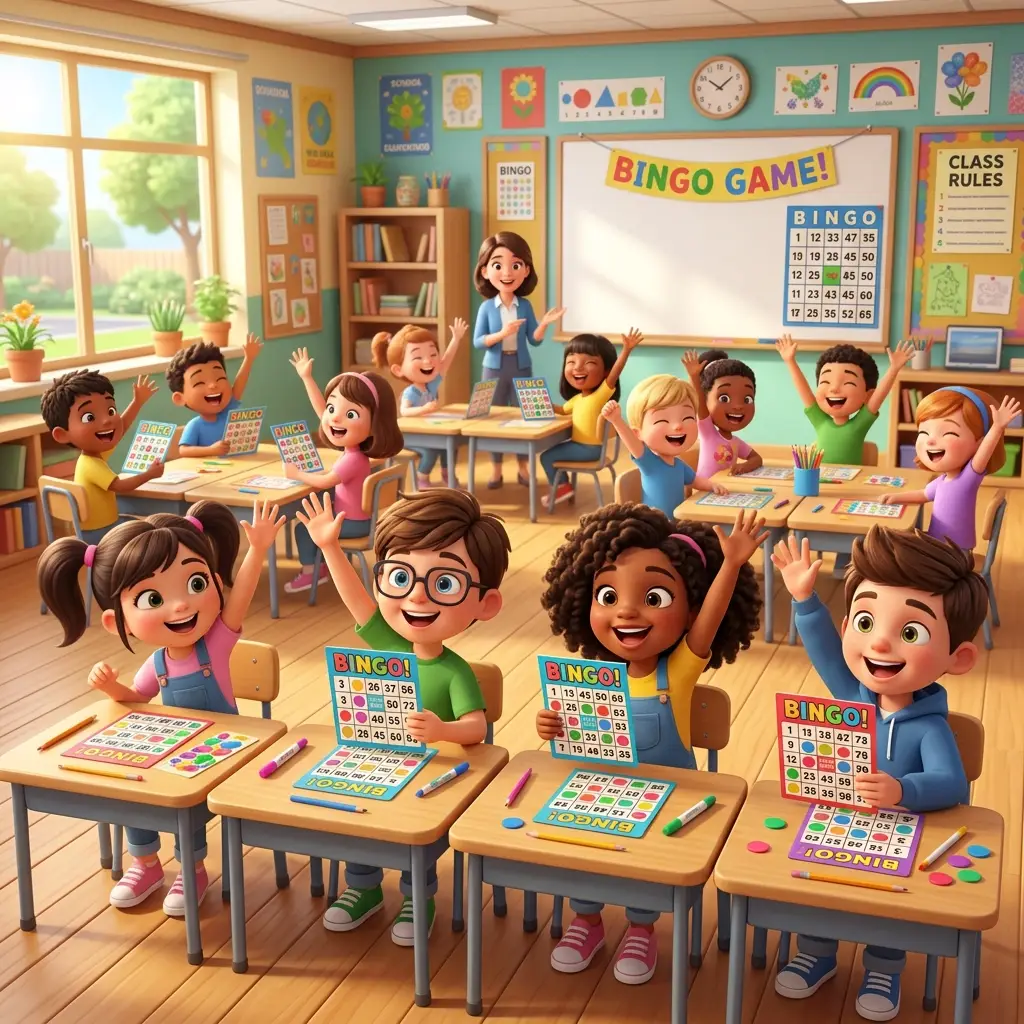
Once a student successfully covers five squares in a row (up, down, or diagonally), they have to yell “BINGO!” as loudly as humanly possible. But they do not win just yet! They actually have to stand up, read the five winning words out loud to the class, and spell each one perfectly without looking at the card. If they spell one wrong, they sit back down, and the game continues!
For a more challenging game night, require advanced players to mark off their center squares using only complex Spelling Bee 6 letter words.
Frequently Asked Questions
What is the most common way to win Spelling Bee bingo?
The absolute most common winning pattern is just a simple straight horizontal line. The hardest way to win is trying to cover all four outside corners, because the odds of those specific four words getting called are incredibly low!
Can I use this game for high school students?
Yes, absolutely! You just have to completely upgrade the vocabulary list. Swap out the easy middle school words for massive, complicated SAT vocabulary words. High school kids love getting incredibly competitive over cheap candy just as much as third graders do.
Why do some kids struggle with the spelling bingo format?
Some kids struggle because they are incredibly slow readers. When the teacher calls out a definition, they know the answer in their head, but it takes them way too long to scan all 25 words on their board. By the time they find it, the teacher has already moved on to the next clue.
How many words do you need for a good game?
You absolutely must have a master list of at least 40 unique words. If you only use exactly 24 words (plus the free space), every single child in the room will get bingo at the same time. The bigger the word pool, the better the game.
Can I use plural forms of words on the cards?
You can, but it is usually a really bad idea. It completely confuses the kids. If the clue is “a single massive furry animal” and the board says “Bears” instead of “Bear,” the kids will argue with you for twenty minutes about whether it counts or not. Keep the words incredibly simple and singular.
How long does a typical game last?
A standard, fast-paced game usually lasts about ten to fifteen minutes from start to finish. This makes it the absolute perfect time-killer activity for those weird, awkward fifteen minutes right before the afternoon school bell rings!